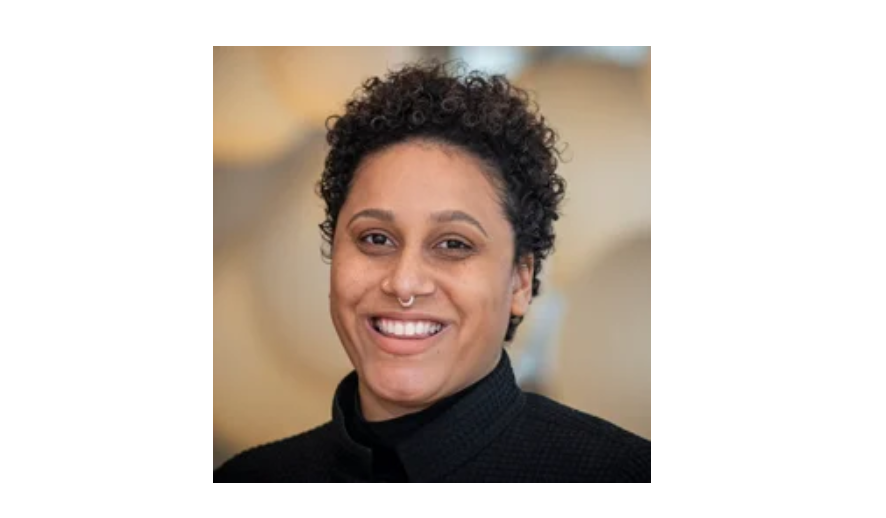
Dr. Kendra Liljenquist, a brilliant pediatric researcher, assistant professor, and tireless advocate for children with developmental disabilities, passed away unexpectedly on Tuesday, July 14, 2026, at the age of 38.
An assistant professor of pediatrics at the University of Washington School of Medicine and a principal investigator at Seattle Children’s Research Institute, Dr. Liljenquist dedicated her life’s work to dismantling racial and economic disparities in childhood development. Her innovative research, collaborative spirit, and profound empathy made her a leading voice in public health and patient-centered rehabilitation sciences.
The Information Gain: Revolutionizing Pediatric Health Equity
While many academic researchers operate purely in theoretical spaces, Dr. Liljenquist focused on building real-world “villages” of care. As a principal investigator at the Center for Child Health, Behavior and Development, she dedicated her career to families who historically faced the most severe barriers to medical access.
Tackling Systemic Disparities
Dr. Liljenquist’s work focused heavily on designing and testing culturally responsive interventions within low-resourced, racially diverse, and linguistically varied communities. Rather than relying on traditional, rigid metrics, she worked directly with families and pediatricians to design community-based screening programs. Her recent pioneering projects revolutionized how primary care clinics identify developmental delays in infants, ensuring that low-income and minority children receive critical, early-intervention referrals.
Academic Legacy and Publications
Over her 15-year career, Dr. Liljenquist co-authored dozens of highly cited studies in journals such as the American Journal of Occupational Therapy and Developmental Medicine and Child Neurology. She played a key role in developing and validating the PEM-CY (Participation and Environment Measure – Children and Youth), a benchmark tool used globally to evaluate community barriers for children with special needs.
Academic and Professional Background: A Stellar Career
Dr. Liljenquist’s pursuit of knowledge was marked by academic excellence, athletic drive, and dedicated mentorship.
-
Undergraduate Foundation: Raised in Maple Valley, Washington, Kendra graduated from Tahoma High School before moving to California to attend the University of San Francisco (USF). At USF, she balanced a rigorous double-major in Exercise Sport Science and Neuroscience with playing NCAA Division I soccer for the Dons, all while joining the Alpha Kappa Alpha Sorority Inc. (Eta Sigma Chapter).
-
Doctoral and Clinical Excellence: She completed her PhD in Rehabilitation Sciences from Boston University in 2016. While there, she worked in the Kids in Context Research Lab, leading crucial research on autism, childhood functional performance, and social integration.
-
Postdoctoral Fellowship: Returning to the Pacific Northwest, she completed a prestigious fellowship in Patient-Centered Measurement at the University of Washington Medical Center, where she also earned her Master of Public Health (MPH).
-
A Beloved Educator: In addition to her clinical research, she taught Population Health in the Community Oriented Public Health Practice (COPHP) MPH program at UW, serving as an irreplaceable mentor to countless graduate and undergraduate students.
A Life Lived with Purpose and Hope
Growing up in Maple Valley, Kendra developed an enduring positive outlook on life, famously living by her favorite philosophy: “Things turn out best for the people who make the best of how things turn out.”
Whether she was guiding a graduate student through a complex statistical model, collaborating with a mother in an underfunded neighborhood, or mentoring young women of color in academia, Kendra approached every interaction with absolute grace and determination.
She leaves behind an immense professional legacy that will continue to shape public health policies, alongside a devastated network of colleagues, students, sorority sisters, and loved ones. Details regarding a university-wide memorial service and the establishment of a pediatric health equity fund in her honor will be announced by the University of Washington and Seattle Children’s Research Institute in the coming days.