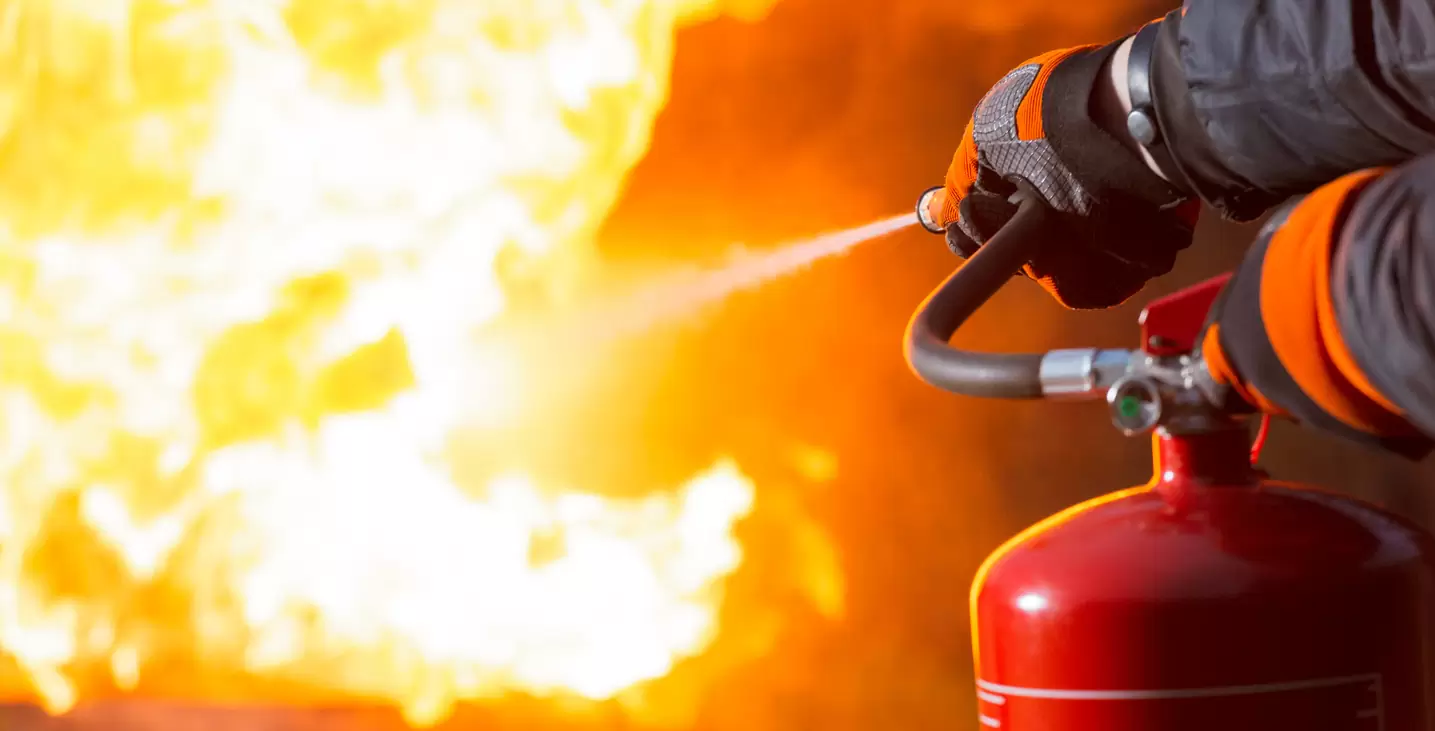
Hardin Fire Today: Latest Information on the Growing Wildfire
The Hardin Fire has become a major focus for residents as firefighters work tirelessly to contain the blaze and protect nearby homes, businesses, and natural resources. Emergency crews continue to monitor changing weather conditions, which can significantly influence fire behavior and containment efforts.
Officials are urging residents to stay informed through local emergency alerts while avoiding affected areas so firefighting personnel can safely carry out suppression operations.
As the situation develops, authorities are providing updated information regarding evacuations, road closures, fire size, containment progress, and public safety recommendations.
What Is the Hardin Fire?
The Hardin Fire refers to an active wildfire burning in or near the Hardin area. Firefighters responded quickly after reports of smoke and flames, deploying ground crews, fire engines, bulldozers, helicopters, and, where conditions permit, air tankers to slow the fire’s spread.
The exact cause of the fire may still be under investigation. Wildfires can start from a variety of sources, including:
- Lightning strikes
- Equipment malfunctions
- Human activity
- Vehicle fires
- Power line failures
- Agricultural operations
- Accidental campfires
Investigators typically examine the fire scene once it is safe to determine the origin and cause.
Firefighters Continue Aggressive Suppression Efforts
Fire crews from multiple agencies are coordinating resources to limit the wildfire’s growth. Their work includes:
- Constructing fire lines
- Protecting homes and structures
- Conducting water drops from helicopters
- Utilizing fixed-wing aircraft when visibility allows
- Removing vegetation to slow fire spread
- Monitoring weather conditions throughout the day
Strong winds, dry vegetation, steep terrain, and high temperatures can all make wildfire suppression significantly more challenging.
Emergency responders continue working around the clock to strengthen containment lines and protect communities that may be threatened.
Evacuations and Public Safety
Depending on fire behavior, emergency officials may issue:
- Evacuation Orders
- Evacuation Warnings
- Shelter-in-place notices
- Temporary road closures
Residents should:
- Follow evacuation instructions immediately.
- Prepare emergency supply kits.
- Keep important documents accessible.
- Monitor official emergency alerts.
- Stay away from closed roads and active fire zones.
Even areas not directly impacted by flames may experience dangerous smoke conditions.
Air Quality Concerns
Smoke from the Hardin Fire may affect communities several miles away.
Health officials recommend that sensitive individuals—including children, older adults, and people with asthma or heart disease—limit outdoor activities if smoke levels increase.
Residents may reduce smoke exposure by:
- Keeping windows and doors closed
- Running air conditioning on recirculation mode
- Using HEPA air purifiers if available
- Wearing properly fitted N95 masks outdoors when necessary
Weather Conditions Could Influence Fire Growth
Wildfire behavior often changes rapidly based on weather.
Factors affecting the Hardin Fire include:
- Wind speed and direction
- Relative humidity
- Air temperature
- Fuel moisture
- Terrain
Even small shifts in wind direction can significantly change the fire’s movement, making forecasting difficult.
Meteorologists and fire behavior analysts continuously evaluate conditions to support firefighting operations.
Community Support and Emergency Response
During major wildfire incidents, communities often come together by:
- Supporting evacuation shelters
- Donating supplies
- Assisting displaced families
- Providing livestock relocation assistance
- Helping local businesses affected by the fire
Emergency management agencies also coordinate resources to ensure residents receive timely updates and necessary assistance.
How Residents Can Stay Safe
Officials recommend the following safety measures:
- Monitor official wildfire updates.
- Obey evacuation orders without delay.
- Avoid driving through smoke.
- Report new fire activity immediately.
- Keep emergency kits ready.
- Have multiple evacuation routes planned.
- Protect pets and livestock when possible.
Preparedness can significantly reduce risks during rapidly changing wildfire conditions.
What Happens Next?
Fire officials will continue assessing:
- Fire size
- Containment percentage
- Damage assessments
- Weather impacts
- Resource deployment
- Evacuation status
As firefighters gain containment, authorities will begin evaluating when evacuated residents can safely return home.
Recovery efforts may continue long after flames are extinguished, including infrastructure repairs, environmental restoration, and assistance for affected families.
Frequently Asked Questions (FAQ)
Where is the Hardin Fire burning?
The Hardin Fire is an active wildfire affecting the Hardin area. Officials continue to monitor its progression and provide updates as conditions change.
What caused the Hardin Fire?
The cause has not been officially confirmed if investigators are still examining the incident. Fire investigators typically determine the origin after the area is safe to access.
Are evacuation orders in effect?
Evacuation information may change as the fire evolves. Residents should monitor official local emergency notifications for the latest instructions.
Is the fire contained?
Containment levels change throughout firefighting operations. Officials regularly release updated containment percentages as crews make progress.
How can residents stay informed?
Residents should follow official emergency management agencies, local fire departments, and weather alerts for the most accurate and up-to-date information.
Can smoke affect areas far from the fire?
Yes. Wildfire smoke can travel many miles depending on wind conditions and may impact air quality well beyond the immediate fire area.
Conclusion
The Hardin Fire remains an active emergency response as firefighters continue working to contain the wildfire and protect nearby communities. While suppression efforts are ongoing, changing weather conditions and fire behavior require continuous monitoring. Residents should remain alert, follow all official evacuation guidance, and rely on trusted emergency sources for the latest updates until the incident is fully contained.